
Introduction
A vehicle is more than a way to travel from one place to another. For many owners, it represents personal style, creativity, and a passion for automotive design. While factory vehicles are designed to appeal to a wide audience, their appearance may not reflect every driver’s individual taste. Custom bodykits provide an excellent solution by allowing owners to transform the exterior of their cars into something more distinctive, sporty, elegant, or aggressive.
From redesigned front bumpers to stylish side skirts and rear diffusers, bodykits can completely change how a vehicle looks on the road. They offer countless opportunities to personalize a car without replacing it with a different model. Whether someone prefers a subtle visual upgrade or a dramatic transformation, the right bodykit can make a vehicle stand out while maintaining a cohesive design.
What Are Custom Bodykits?
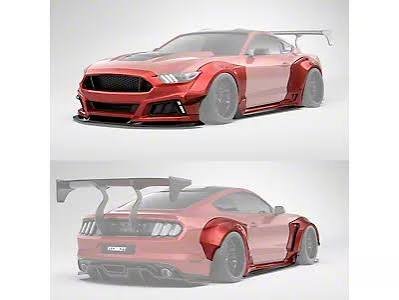
Custom bodykits are collections of exterior components designed to modify a vehicle’s original appearance. Depending on the package, they may include front bumpers, rear bumpers, side skirts, fender extensions, spoilers, splitters, and diffusers. Each component contributes to the vehicle’s overall styling.
Some bodykits follow the original manufacturer’s design language, making the car appear more refined and premium. Others introduce bold shapes, wider proportions, and sporty details inspired by motorsport vehicles.
Bodykits are available for various vehicle types, including sedans, hatchbacks, coupes, sports cars, and SUVs. Owners can select complete kits or individual components according to their preferences and budgets.
The main purpose of a custom bodykit is to create a distinctive exterior appearance. However, certain components can also influence airflow and aerodynamic performance when carefully engineered and properly installed.
1. Creating a More Aggressive Front-End Design
The front of a vehicle strongly influences its overall personality. A standard factory bumper may look simple and practical, while a custom front bumper can create a much sportier appearance.
Many aftermarket front bumpers feature larger air openings, sharper contours, sculpted edges, and more prominent lower sections. These details give the vehicle a stronger visual presence.
Front splitters can add another layer of customization by extending the lower edge of the bumper. When designed appropriately, they create a lower, wider appearance that resembles performance-oriented cars.
Drivers who prefer understated styling can choose a front bumper that closely follows the original design. Those who enjoy bold modifications may prefer angular shapes and more dramatic details.
The most successful front-end upgrades complement the vehicle’s headlights, grille, hood, and existing body lines rather than making each component look disconnected.
2. Improving the Vehicle’s Side Profile
Side skirts are among the most effective bodykit components for changing a car’s proportions. Installed along the lower edges beneath the doors, they visually connect the front and rear sections of the vehicle.
Without side skirts, the lower body may appear relatively plain. Adding carefully shaped skirts can create a more continuous, balanced profile that makes the vehicle look closer to the road.
Custom fender extensions can also alter the appearance by giving the wheel arches a wider and more muscular design. These components are particularly popular with owners who prefer modified sports cars or vehicles with a bold street-inspired aesthetic.
The side profile can be enhanced further through coordinated paint finishes, suitable wheels, and carefully selected exterior accessories. However, bodykit dimensions should be chosen according to the vehicle’s proportions to prevent the design from looking oversized.
3. Transforming the Rear Appearance
The rear of a vehicle offers plenty of opportunities for creative customization. A redesigned rear bumper, diffuser, spoiler, or bumper lip can make the car look significantly different from its factory version.
Rear diffusers introduce sculpted sections beneath the bumper, creating a more technical and performance-inspired appearance. Depending on their design and engineering, some diffusers may also contribute to aerodynamic management.
Spoilers are another popular choice. A small lip spoiler can provide a subtle finishing touch, while a larger wing creates a more noticeable motorsport-inspired look. The appropriate option depends on the vehicle’s design and the owner’s preferred style.
A coordinated rear bumper can bring these elements together, creating a balanced finish that matches the front and sides. Matching the shapes, colors, and finishes of different components is essential for achieving a professional result.
4. Expressing Individual Style Through Customization
One of the greatest advantages of custom bodykits is the freedom to express personal preferences. Two identical vehicles can look completely different after receiving different exterior modifications.
Some owners prefer a clean and luxurious appearance featuring smooth surfaces, subtle extensions, and body-colored components. Others choose aggressive styling with deep front lips, wide fenders, and prominent rear spoilers.
Color selection also plays an important role. A bodykit painted to match the original vehicle creates a factory-inspired finish, while contrasting accents can highlight specific design features.
Gloss-black details, carbon-fiber-style finishes, and carefully selected accent colors can introduce additional character. Nevertheless, combining too many colors or decorative elements may make the exterior appear cluttered.
A clear design direction helps owners select components that work together instead of competing for attention.
5. Making Older Vehicles Look Modern
Custom bodykits can refresh the appearance of an older vehicle without requiring the owner to purchase a newer model. Updated bumper designs, contemporary styling details, and redesigned exterior elements can make a car look more current.
For example, a simple older sedan may gain a sportier appearance through subtle front and rear bumper upgrades. A hatchback can receive a more dynamic profile with matching side skirts and a small rear spoiler.
However, compatibility is important when modifying older vehicles. Body panels, mounting points, lighting arrangements, and bumper dimensions can vary between model years and trim levels.
Choosing components specifically designed for the vehicle helps reduce fitting problems and creates a more natural result.
6. Choosing the Right Materials
The material used to manufacture a bodykit affects its weight, flexibility, finish, durability, and cost.
Fiberglass
Fiberglass bodykits are popular because they can be shaped into a wide variety of designs. They are often available at accessible prices, although quality varies considerably. Some fiberglass components may be more vulnerable to cracking when exposed to impacts or poor installation.
ABS Plastic
ABS plastic is widely used for automotive exterior components because it offers a useful balance of flexibility, durability, and manufacturing versatility. Properly produced parts can provide a consistent finish and practical everyday performance.
Polyurethane
Polyurethane components can offer flexibility that helps them tolerate certain minor impacts better than more rigid materials. Their weight, fit, and durability depend on the specific formulation and construction.
Carbon Fiber
Carbon fiber is associated with premium automotive styling and performance applications. It can provide high strength relative to weight, but genuine carbon-fiber components are generally more expensive than many alternatives.
Regardless of material, owners should consider manufacturing quality, weather resistance, mounting strength, and compatibility before purchasing a kit.
7. Understanding Installation and Fitment
Even a beautifully designed bodykit may look disappointing if it is installed incorrectly. Proper fitment ensures that panels align with the vehicle’s existing bodywork and that gaps remain consistent.
Professional installation can be particularly valuable when components require adjustments, preparation, painting, or specialized mounting hardware.
Before painting, installers should test-fit the components to identify alignment issues. Surface preparation and appropriate paint matching are also essential for achieving a clean finish.
Ground clearance must receive special attention. Deep front splitters and low side skirts may scrape against speed bumps, steep driveways, or uneven roads. Drivers who regularly travel on rough surfaces should consider practical dimensions rather than choosing a design based entirely on appearance.
8. Can Bodykits Improve Performance?
Custom bodykits are primarily selected for their visual impact, but certain designs may offer aerodynamic benefits.
Components such as front splitters, spoilers, and diffusers can influence airflow around a vehicle. When engineered and tested correctly, they may help manage lift, drag, or downforce under appropriate driving conditions.
However, a sporty appearance does not automatically indicate better performance. Poorly designed components may create unnecessary drag, affect stability, or introduce other disadvantages.
Everyday drivers should prioritize proper fitment, safe ground clearance, and dependable construction. Anyone seeking measurable aerodynamic improvements should look for credible engineering information rather than relying on appearance alone.
9. Balancing Budget and Quality
A successful bodykit project does not necessarily require an expensive collection of modifications. Owners can achieve a noticeable transformation by upgrading one or two key areas.
For example, a front lip and matching side skirts may provide a cohesive visual improvement without the expense of a complete kit. Others may prefer to save for a full package that includes coordinated front, side, and rear components.
When planning a budget, consider more than the advertised purchase price. Shipping, installation, surface preparation, painting, mounting hardware, and potential adjustments can increase the total cost.
It is also wise to check local vehicle regulations, including requirements concerning protruding bodywork, lighting visibility, vehicle dimensions, and ground clearance.
Conclusion
Custom bodykits offer an effective way to transform a vehicle’s appearance while expressing individual taste. From aggressive front bumpers and sculpted side skirts to distinctive rear diffusers and spoilers, each component can contribute to a more personalized exterior.
The best results come from choosing a consistent design, selecting suitable materials, checking vehicle compatibility, and ensuring professional-quality installation. Practical considerations such as road conditions, ground clearance, durability, and local regulations should also guide the decision.
Whether the goal is to modernize an older car, create a motorsport-inspired look, or add subtle sophistication, a thoughtfully selected bodykit can make an ordinary vehicle feel unique. By balancing creativity with quality and practicality, owners can achieve a striking transformation that suits both their personality and their everyday driving needs.