
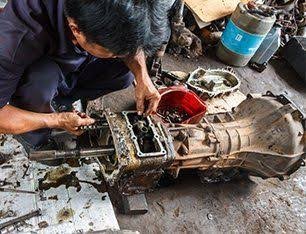
Finding a reliable transmission mechanic near me is essential when a vehicle starts experiencing shifting problems, unusual noises, fluid leaks, or other performance issues. The transmission transmission mechanic near me is one of the most important components of a vehicle because it transfers power from the engine to the wheels. When it does not function correctly, driving can become difficult, fuel efficiency may decrease, and repair costs can increase if the problem is ignored.
Choosing the right automotive specialist can help drivers identify transmission problems early, understand available repair options, and maintain their vehicles for years to come. However, with so many repair shops available, knowing which mechanic to trust can be challenging. Understanding what to look for before scheduling an appointment can make the selection process easier and more effective.
Understanding the Importance of Transmission Maintenance
A vehicle’s transmission controls how engine power reaches the wheels and allows the car to operate at different speeds. Depending on the vehicle, it may have an automatic, manual, or continuously variable transmission (CVT). Each system has different operating characteristics and maintenance requirements.
Regular transmission maintenance helps reduce unnecessary wear and supports smooth vehicle operation. Depending on the manufacturer’s recommendations, maintenance may include inspecting transmission fluid, checking for leaks, evaluating shifting performance, and servicing the system at appropriate intervals.
Neglecting warning signs can allow minor problems to develop into more expensive repairs. For this reason, drivers should contact a qualified automotive specialist whenever they notice persistent changes in transmission performance.
Common Signs That Your Vehicle Needs Transmission Repair
Recognizing transmission problems early can help drivers make informed decisions about repairs. Although some symptoms may have other causes, they should not be ignored when they occur repeatedly.
Difficulty Shifting Gears
If a vehicle struggles to change gears, shifts unexpectedly, or hesitates when accelerating, the transmission may require professional inspection. In manual vehicles, difficulty engaging gears could involve the clutch, linkage, or internal transmission components. Automatic vehicles may experience shifting problems because of fluid issues, electronic faults, or mechanical wear.
A trained mechanic can inspect the system to identify the actual cause instead of relying on assumptions.
Unusual Noises
Grinding, whining, humming, or clunking sounds may indicate a problem with the transmission or related components. The type of noise and when it occurs can help a technician narrow down the possible causes.
Drivers should explain when the noise appears, such as during acceleration, gear changes, or when the vehicle is stationary. These details can help the mechanic perform a more accurate diagnosis.
Transmission Fluid Leaks
Transmission fluid helps lubricate components, manage heat, and support the operation of many transmission systems. A reddish, brownish, or otherwise unusual fluid leak underneath a vehicle may indicate a problem, although fluid color varies by product and condition.
Low fluid levels can contribute to poor performance and damage in systems that depend on the fluid. If a leak is suspected, arranging an inspection promptly is a sensible step.
Slipping or Delayed Engagement
Transmission slipping occurs when the transmission fails to maintain the expected gear or power delivery. Drivers may notice engine speed increasing without a corresponding increase in vehicle speed. Delayed engagement can also occur when selecting Drive or Reverse.
These symptoms require professional attention because continuing to drive with a serious transmission problem may increase the risk of further damage.
How to Find a Reliable Transmission Mechanic Near Me
Searching online for a transmission mechanic near me can produce numerous results, but not every repair shop offers the same level of expertise. Comparing a few important factors can help you select an automotive specialist who understands your vehicle’s needs.
Check Experience and Technical Expertise
Transmission repair requires specialized knowledge, diagnostic equipment, and practical experience. Look for a shop that regularly works on the type of transmission installed in your vehicle.
Some mechanics specialize in automatic transmissions, while others focus on manual gearboxes, CVTs, or specific vehicle makes. Ask whether the shop has experience diagnosing your particular symptoms and whether its technicians receive ongoing technical training.
An experienced specialist should be able to explain the inspection process and discuss possible causes without immediately recommending an expensive replacement.
Read Customer Reviews
Online reviews can provide useful information about a repair shop’s communication, professionalism, pricing transparency, and service quality. Look for consistent patterns across multiple reviews instead of making a decision based on a single positive or negative comment.
Pay attention to feedback about diagnostic accuracy, repair timelines, warranty support, and how the business handles customer concerns. Reviews that describe specific experiences may be more helpful than general statements.
You can also ask friends, relatives, or colleagues to recommend mechanics they have used successfully.
Compare Written Estimates
Before approving major transmission work, request a written estimate that explains the expected repairs and associated costs. The estimate should identify labor charges, replacement parts, diagnostic fees, and any additional services that may be necessary.
Comparing estimates from two or more reputable shops can help you understand whether the proposed repair is reasonable. However, the lowest price is not always the best choice. A detailed diagnosis, suitable parts, and dependable workmanship can be more valuable than a low initial quote that excludes important expenses.
Ask About Warranties
A trustworthy transmission repair shop should clearly explain the warranty available for its work and parts. Warranty terms can differ according to the repair performed, the components installed, and the service provider.
Ask how long the coverage lasts, what it includes, and whether any conditions apply. Request the warranty details in writing so you can review them before authorizing the repair.
Questions to Ask Before Choosing an Automotive Specialist
Asking the right questions can help you evaluate a mechanic’s professionalism and determine whether the shop meets your needs.
Consider asking:
- What diagnostic tests will you perform to identify the problem?
- Do you have experience with my vehicle’s transmission type?
- Will you provide a written estimate before beginning repairs?
- Are the replacement parts new, remanufactured, or used?
- What warranty applies to the repair?
- How long might the inspection and repair take?
- Will you contact me if additional work becomes necessary?
A dependable mechanic should answer these questions clearly and explain technical information in understandable language. Be cautious if a shop pressures you to approve expensive work without providing a reasonable explanation or discussing the findings.
Understanding Transmission Repair Costs
Transmission repair costs vary considerably depending on the vehicle, transmission type, severity of the problem, labor rates, and parts required. A minor fluid leak or external component issue may cost much less to resolve than extensive internal damage.
In some cases, replacing a damaged sensor, repairing a connection, or correcting a fluid-related issue may restore normal operation. Other situations may require rebuilding the transmission or installing a replacement unit.
A proper diagnosis is important because similar symptoms can result from different underlying problems. Ask the mechanic to explain why a particular repair is recommended and whether alternative solutions are available.
It is also useful to distinguish between immediate repair needs and preventive maintenance. Addressing a developing problem early may help avoid additional damage, although the outcome depends on the condition of the transmission and the underlying fault.
The Role of Diagnostic Technology in Modern Transmission Repair
Modern vehicles often use electronic control systems to manage transmission operation. These systems monitor sensors, communicate with other vehicle modules, and adjust gear changes according to driving conditions.
Qualified automotive specialists may use diagnostic scanners, manufacturer-specific software, fluid inspections, road tests, and mechanical testing to investigate transmission concerns.
Diagnostic trouble codes can provide useful clues, but they do not always identify the exact failed component. A skilled technician interprets these codes alongside other test results before recommending repairs.
Choosing a repair shop with appropriate diagnostic equipment can improve the accuracy of the inspection and reduce the likelihood of replacing parts unnecessarily.
Tips for Maintaining Your Vehicle’s Transmission
After finding a dependable transmission mechanic, drivers should follow a consistent maintenance routine to support long-term vehicle performance.
First, follow the maintenance schedule provided in the owner’s manual. Transmission service intervals vary by vehicle and operating conditions, so there is no single interval that applies to every car.
Second, use only the transmission fluid specified by the manufacturer. Different systems require different fluid formulations, and using an unsuitable product can cause operational problems.
Third, pay attention to changes in shifting behavior, noises, leaks, and dashboard warning lights. Arrange an inspection when symptoms appear rather than waiting for the vehicle to become difficult to drive.
Finally, avoid ignoring recommended repairs and keep records of maintenance, inspections, and previous transmission work. These records can help mechanics understand the vehicle’s history and make better-informed decisions.
If the vehicle experiences severe slipping, loses the ability to move safely, or shows signs of a major fluid leak, stop driving when it is safe to do so and arrange professional assistance.
Why Choosing a Local Transmission Specialist Matters
Working with a reputable local mechanic can make vehicle maintenance more convenient. Nearby repair shops may offer easier appointment scheduling, follow-up inspections, and opportunities to build a long-term relationship with the same service team.
A local specialist who understands common vehicle types in the area may also be familiar with typical maintenance challenges associated with local traffic, road conditions, and driving habits.
Nevertheless, convenience should not be the only deciding factor. Check qualifications, customer feedback, diagnostic capabilities, pricing transparency, and warranty terms before making your choice.
The right mechanic should prioritize accurate diagnosis, safe repairs, and clear communication throughout the service process.
Conclusion
Finding the right transmission mechanic near me involves more than selecting the closest repair shop. Drivers should consider technical experience, customer reviews, diagnostic capabilities, written estimates, warranty coverage, and communication before choosing an automotive specialist.
Recognizing early warning signs and arranging timely inspections can help prevent certain transmission problems from becoming more serious. Regular maintenance, manufacturer-approved fluids, and professional repairs also contribute to dependable vehicle performance.
By researching local options, asking relevant questions, and comparing repair recommendations, vehicle owners can make confident decisions about their transmission care. A trustworthy automotive specialist can help identify problems accurately, explain practical solutions, and keep a vehicle operating as reliably as possible for the road ahead.