
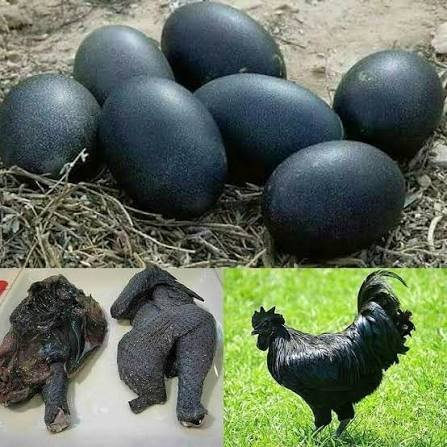
Ayam Cemani chickens are among the most fascinating and distinctive poultry breeds in the world. Known for their striking black feathers, dark skin, and unusual appearance, these rare birds attract poultry enthusiasts, backyard chicken keepers, and breeders who appreciate unique livestock. For anyone interested ayam cemani eggs in raising this remarkable breed, choosing high-quality Ayam Cemani eggs is an important first step toward a successful hatching experience.
However, not every egg will develop into a healthy chick. Egg quality, breeder reputation, storage conditions, fertility, and proper incubation all influence the chances of successful hatching. Understanding these factors can help buyers make informed decisions and avoid common mistakes.
This guide explains what to look for when purchasing Ayam Cemani hatching eggs, how to evaluate sellers, and how to provide suitable conditions for incubation.
Understanding the Ayam Cemani Chicken Breed
Ayam Cemani chickens originated in Indonesia and are particularly famous for their fibromelanosis, a genetic characteristic associated with extensive black pigmentation in many parts of the bird’s body. Their feathers, skin, beaks, and legs typically display dark coloration, making them easily recognizable among other chicken breeds.
Despite their unusual appearance, Ayam Cemani chickens have many of the same basic care requirements as other domestic chickens. They need balanced nutrition, clean water, suitable housing, protection from predators, and appropriate veterinary care.
Their distinctive characteristics and relative rarity have created considerable interest in breeding and hatching projects. Purchasing quality Ayam Cemani eggs allows poultry enthusiasts to begin raising the breed while learning about its genetics, development, and long-term care.
Why Choosing Quality Ayam Cemani Eggs Matters
The quality of hatching eggs can influence embryonic development and overall hatchability. Although even excellent eggs cannot guarantee successful hatching, carefully selected eggs generally provide a better starting point than eggs with visible defects or uncertain handling histories.
High-quality eggs should come from healthy breeding birds kept under suitable conditions. A responsible breeder pays attention to flock health, nutrition, breeding practices, and egg collection procedures.
Egg selection also helps reduce avoidable problems during incubation. Cracked shells, unusual shapes, contamination, and improper storage can affect an egg’s suitability for hatching.
Buyers should remember that an egg’s appearance alone cannot confirm fertility. Even a clean, well-shaped egg may be infertile, while a fertile egg still requires appropriate incubation conditions to develop successfully.
Important Features of Quality Ayam Cemani Hatching Eggs
Before purchasing Ayam Cemani eggs, examine the characteristics that indicate whether they may be suitable for incubation.
1. Consistent and Natural Shell Appearance
Ayam Cemani eggs are generally cream to light brown, sometimes with subtle variations in shade. Their shells are not normally black simply because the breed has extensive black pigmentation.
This distinction is important because misleading photographs or inaccurate descriptions may create unrealistic expectations about egg color.
Look for eggs with a reasonably uniform shell surface and no obvious cracks, leaks, or significant damage. Avoid eggs with severely misshapen shells or unusual roughness that may indicate a shell-quality problem.
2. Appropriate Egg Shape and Size
Good hatching eggs generally have a normal oval shape. Eggs that are excessively elongated, unusually round, or noticeably misshapen may be less suitable for incubation.
Size also matters because extremely small or unusually large eggs can present developmental challenges. However, natural variation occurs within chicken breeds, so buyers should not expect every egg to look exactly the same.
A reputable breeder should be able to explain the typical egg characteristics of their flock and answer questions about the breeding birds.
3. Clean and Undamaged Shells
Clean eggs are easier to inspect and handle. The shell should be free from visible cracks, major stains, and heavy contamination.
The eggshell has a natural protective outer layer called the cuticle, which helps limit the entry of microorganisms. Aggressive washing or scrubbing can damage this layer.
For this reason, responsible breeders emphasize clean nesting areas, frequent egg collection, and hygienic handling practices rather than relying on intensive cleaning after collection.
4. Reliable Fertility Information
Fertility is one of the most important considerations when buying hatching eggs. Even if an egg looks perfect, it may not contain a developing embryo.
Ask the seller whether the eggs come from an established breeding flock and whether fertility has been monitored. Previous hatch records can offer useful information, although past results do not guarantee future performance.
It is also worth asking how many eggs are included in the order and whether the seller has a policy for addressing damaged deliveries or documented problems.
How to Choose a Reliable Ayam Cemani Egg Seller
Finding a trustworthy breeder is just as important as examining the eggs themselves. Because Ayam Cemani chickens are relatively uncommon, buyers may encounter sellers with different levels of breeding experience and flock management.
Start by researching the breeder’s reputation. Look for detailed product descriptions, clear photographs of the actual breeding birds, transparent policies, and helpful responses to questions.
A reliable seller should be willing to discuss flock health, egg collection, packaging methods, and shipping arrangements. They should also explain the limitations of buying hatching eggs, particularly when eggs must travel long distances.
Be cautious of sellers who promise guaranteed hatch rates, make unsupported claims about exceptional genetics, or use photographs that do not clearly represent their own flock.
Price is another consideration, but the cheapest option is not always the best value. Carefully handled eggs from a responsible breeder may provide a more dependable starting point than discounted eggs with an unknown history.
Understanding Egg Storage Before Incubation
Hatching eggs require appropriate handling between collection and incubation. Extended storage, unsuitable temperatures, and rough handling can reduce hatchability.
Ideally, eggs should be collected regularly and stored in a clean environment with suitable temperature and humidity. They should be protected from direct sunlight, excessive heat, and sudden environmental changes.
For chicken eggs, shorter storage periods are generally preferable. Hatchability often declines as storage time increases, particularly when eggs are kept under unsuitable conditions.
Buyers ordering eggs by mail should ask when the eggs were collected and how they have been stored. Once the shipment arrives, inspect the package carefully and allow the eggs to settle before incubation according to reputable poultry-hatching guidance.
Shipping introduces additional uncertainty because vibration, temperature fluctuations, and rough handling can affect egg performance. Even carefully packaged eggs may experience reduced hatchability during transportation.
Proper Incubation for Ayam Cemani Eggs
After selecting suitable eggs, the next step is providing a stable incubation environment. Ayam Cemani eggs generally follow the same incubation requirements as other chicken eggs.
Maintain Suitable Temperature and Humidity
A reliable incubator should maintain a stable temperature appropriate for the manufacturer’s instructions and the type of incubator being used. For many forced-air chicken incubators, a temperature close to 99.5°F (37.5°C) is commonly recommended.
Humidity should be managed according to the incubator design and established poultry-hatching guidance. Monitoring egg weight loss, where appropriate, and observing conditions during the final stage can help experienced keepers make informed adjustments.
Avoid frequent, unnecessary changes because unstable conditions may interfere with embryo development.
Turn the Eggs Regularly
Developing embryos benefit from regular egg turning during most of the incubation period. Automatic turners can make this process easier, while manual turning requires a consistent routine.
Turning is generally stopped during the final three days, known as the lockdown period, when chicks prepare to hatch. Follow the incubator manufacturer’s recommendations and avoid opening the incubator unnecessarily during this stage.
Allow Time for Hatching
Chicken eggs usually require approximately 21 days to hatch, although timing can vary with incubation conditions.
Some chicks may hatch earlier or later than others. Avoid repeatedly opening the incubator or attempting to assist a chick without a clear, evidence-based reason. Unnecessary intervention can cause complications.
Common Mistakes to Avoid When Buying Hatching Eggs
First-time Ayam Cemani breeders can improve their experience by avoiding several common mistakes.
- Choosing eggs based only on price: Low prices do not necessarily indicate good value if egg quality and handling are uncertain.
- Assuming black chickens lay black eggs: Ayam Cemani pigmentation does not normally produce black eggshells.
- Ignoring shipping conditions: Long journeys and rough handling can affect hatchability.
- Overlooking breeder information: Reliable records and clear communication help buyers evaluate their purchase.
- Expecting a guaranteed hatch: Fertility, transportation, storage, and incubation all influence the outcome.
- Neglecting preparation: An incubator should be cleaned, checked, and tested before the eggs arrive.
Learning from these common mistakes can make the process more manageable and help establish a stronger foundation for raising healthy chickens.
Caring for Ayam Cemani Chicks After Hatching
Successful hatching is only the beginning of the process. Newly hatched chicks need a warm, dry, and secure brooding area with access to clean water and appropriate chick starter feed.
The brooder temperature should be monitored carefully, with enough space for chicks to move toward or away from the heat source as needed. Observe their behavior, since crowding, persistent distress calls, or avoiding the heated area may indicate that adjustments are necessary.
Clean bedding, adequate ventilation, and protection from drafts help support healthy development. As the chicks grow, gradually adjust the brooder environment according to their needs and feather development.
If you are raising Ayam Cemani for breeding, keep accurate records of parentage, hatch dates, growth, and health. These records can help you evaluate the flock and make more informed breeding decisions over time.
Conclusion
Choosing quality Ayam Cemani eggs requires careful attention to shell condition, egg shape, breeder reputation, fertility information, storage, and shipping practices. While the breed’s distinctive black appearance makes it especially appealing, successful hatching depends on much more than appearance alone.
By purchasing from a transparent and responsible breeder, preparing a reliable incubator, and following established poultry-hatching practices, buyers can improve their chances of a rewarding experience.
Whether you are an experienced poultry keeper or a beginner exploring rare chicken breeds, taking time to evaluate Ayam Cemani hatching eggs is a worthwhile investment. With thoughtful preparation and consistent care, you can begin building a healthy flock of these remarkable chickens and enjoy learning about their unique characteristics.