
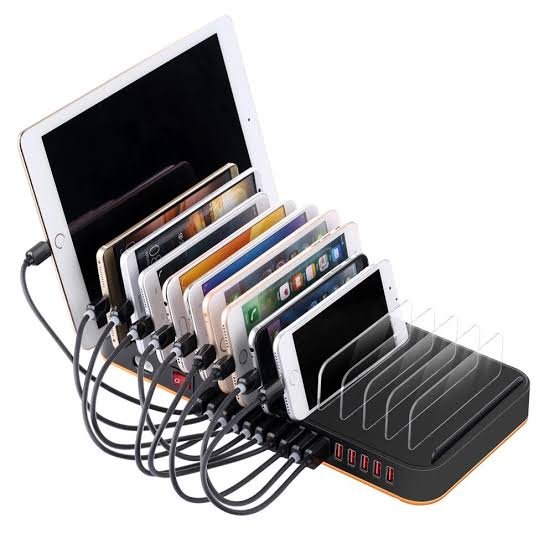
Modern workplaces, workshops, commercial facilities, laboratories, entertainment spaces, and technology environments often depend on multiple electrical devices operating at the same time. When several machines, chargers, tools, and electronic devices need power from one location, choosing the right heavy duty power strip becomes an important part of maintaining convenience, organization, and electrical safety.
A standard household power strip may be suitable for lightweight everyday electronics, but demanding applications often require stronger construction, higher electrical capacity, better protection features, and reliable performance. Selecting the right model involves more than simply counting the number of outlets. Users should consider the equipment being connected, total power requirements, environmental conditions, cable quality, safety certifications, and additional features.
Understanding Heavy Duty Power Strip Requirements
A heavy duty power strip is designed for applications where multiple electrical devices may be used regularly or where equipment places greater demands on the power system. These power strips are commonly used in workshops, offices, production areas, garages, commercial spaces, and technical environments.
The first consideration should always be the electrical load. Every connected device consumes a certain amount of current, and the combined load should remain within the power strip’s rated capacity. Equipment such as power tools, computers, monitors, printers, appliances, and charging equipment can create different electrical demands.
Before purchasing a power strip, calculate the approximate total wattage of the devices that will be connected. This helps prevent overloading and allows users to select a model with an appropriate rating.
Evaluating Outlet Capacity
The number and arrangement of outlets can make a major difference in practical use. A power strip with several closely spaced outlets may technically provide enough connections but still be inconvenient when devices use large plugs or power adapters.
For demanding applications, look for a design that provides enough outlets while allowing sufficient spacing between them. Some models include a combination of standard outlets and USB charging ports, which can be useful in modern work environments.
A well-designed unit can reduce the need for multiple extension cords and separate adapters. However, having more outlets does not mean the power strip can safely support unlimited equipment. The overall electrical rating remains more important than the outlet count.
Considering a Charging Station For Multiple Devices
Modern workspaces often require simultaneous charging for smartphones, tablets, laptops, wireless accessories, handheld equipment, and other electronics. In these situations, a Charging Station For Multiple Devices can provide an organized way to manage power requirements.
When selecting a power strip for charging applications, consider the available USB ports, charging output, compatibility, and total power capacity. USB-C Power Delivery can be particularly useful for compatible modern devices because it can provide faster and more efficient charging than basic USB ports.
A Charging Station For Multiple Devices can also help reduce clutter by bringing several charging connections into one organized location. This can be valuable in offices, classrooms, conference rooms, workshops, retail environments, and shared work areas.
Checking Surge Protection Features
Electrical equipment can be vulnerable to sudden voltage spikes. A power strip with surge protection can help reduce the risk associated with certain transient electrical events.
When comparing models, users should examine the surge protection specifications rather than assuming every power strip provides the same level of protection. Important information may include the joule rating, protection status indicators, and response characteristics.
Surge protection is especially useful for sensitive electronics such as computers, monitors, networking equipment, televisions, and other digital devices. However, it should not be considered a substitute for proper electrical installation, grounding, or other protective systems.
Looking at Build Quality
Heavy duty applications require a power strip that can withstand regular use. Construction quality should therefore be an important part of the purchasing decision.
Look for durable housing materials, strong outlet connections, a properly constructed switch, strain relief around the cable, and a robust power cord. A thicker and better-built cable may be appropriate for applications involving higher electrical loads, provided its specifications match the intended use.
The physical design also matters. Some environments require a compact unit, while others benefit from a longer cable or mounting holes that allow the power strip to be securely attached to a workbench, wall, desk, or equipment rack.
Choosing the Correct Cable Length
Cable length can affect both convenience and safety. A cable that is too short may encourage users to position equipment awkwardly or connect additional extension cords. On the other hand, excessive cable length can create unnecessary loops and trip hazards.
Measure the distance between the intended power source and the equipment before purchasing. Choose a cable length that provides practical reach without leaving excessive slack.
For workshops and industrial-style environments, cable durability can be just as important as length. If the power strip will be moved frequently, a flexible and rugged cable may provide better long-term usability.
Considering the Operating Environment
Not every heavy duty power strip is suitable for every environment. A unit intended for a clean office may not be appropriate for a dusty workshop, construction area, garage, or other demanding location.
Consider exposure to dust, moisture, heat, impact, chemicals, and frequent movement. If the power strip will be used in a specialized environment, check whether the manufacturer’s specifications support those conditions.
Users should also avoid placing electrical equipment where it may come into contact with water unless the equipment is specifically designed and rated for that environment.
Prioritizing Safety Certifications
Safety certifications provide another useful way to compare power strips. Look for products that have been tested and certified according to applicable electrical safety standards in the region where they will be used.
Additional safety features may include overload protection, resettable circuit breakers, thermal protection, illuminated switches, child-resistant outlets, and protection indicators.
These features can provide additional safeguards during normal operation, but users should still follow the manufacturer’s instructions and avoid exceeding the rated capacity.
Matching the Power Strip to the Application
Different applications require different features. An office may prioritize USB-C charging and convenient outlet spacing, while a workshop may place greater emphasis on rugged construction, cable durability, and mounting options.
For computer equipment, surge protection and reliable outlet connections may be important. For shared charging areas, multiple USB ports can provide greater convenience. For professional equipment, users should pay close attention to voltage, amperage, wattage, and compatibility requirements.
The best heavy duty power strip is therefore not necessarily the model with the highest outlet count. It is the model that safely and efficiently matches the electrical and physical requirements of the intended application.
Avoiding Common Selection Mistakes
One common mistake is choosing a power strip based only on price. A low-cost model may provide basic connectivity but lack the construction quality or protection features needed for demanding use.
Another mistake is exceeding the power strip’s rated capacity. Connecting several high-wattage devices to one strip can create excessive electrical demand. Users should calculate the combined load before connecting equipment.
It is also important not to connect one power strip into another. Daisy-chaining power strips can increase electrical risk and may violate manufacturer instructions or applicable safety requirements.
Conclusion
Choosing the right heavy duty power strip requires careful consideration of electrical capacity, outlet configuration, construction quality, cable design, protection features, charging capabilities, and operating conditions. For modern environments with many electronic devices, a Charging Station For Multiple Devices can also provide an organized solution for simultaneous charging.
The most suitable model should match the equipment and environment rather than simply offering the largest number of outlets. By checking ratings, selecting appropriate safety features, considering build quality, and following manufacturer instructions, users can create a more organized and reliable power setup for demanding applications.