
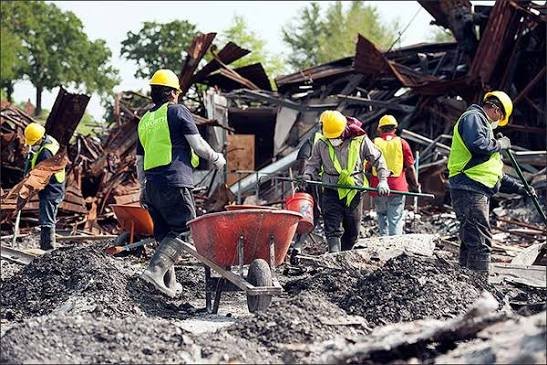
Unexpected property damage can happen at any time. Severe storms, flooding, fires, plumbing failures, and other emergencies can quickly turn a comfortable home or productive disaster cleanup business into a stressful environment. Beyond visible destruction, these incidents may cause hidden moisture problems, structural concerns, and contamination that require professional attention. Understanding the proper disaster cleanup process can help property owners make informed decisions, protect their belongings, and begin restoring normal conditions as quickly as possible.
Whether you are dealing with water damage, smoke residue, storm debris, or other unexpected problems, following a structured restoration plan is essential. From assessing the damage to completing final repairs, every step contributes to a safer and more effective recovery.
Understanding the Importance of Disaster Cleanup
Disaster cleanup involves removing damaged materials, addressing safety hazards, cleaning affected surfaces, and restoring a property to a usable condition. The process depends on the type and severity of the incident. For example, water damage may require moisture removal and drying, while fire damage can involve soot removal, odor control, and repairs to affected building materials.
Acting promptly is important because certain problems can become more serious over time. Standing water may contribute to mold growth, smoke residue can continue affecting indoor air quality, and damaged structures may present ongoing safety risks.
A well-organized disaster cleanup plan helps property owners identify urgent concerns, prioritize essential work, and avoid unnecessary complications during recovery.
Step 1: Prioritize Safety Before Entering the Property
Safety should always be the first consideration after unexpected damage. A building that appears stable may contain hidden electrical hazards, weakened flooring, contaminated water, or structural damage.
Before entering an affected property, check for potential dangers. If you suspect structural instability, a gas leak, electrical damage, or hazardous contamination, stay away and contact the appropriate emergency services or qualified professionals.
Keep children and pets away from unsafe areas. Do not operate electrical equipment in wet spaces or touch damaged wiring. After a fire, avoid disturbing potentially hazardous debris until the property has been assessed.
Professional restoration teams can evaluate the environment, identify hazards, and determine which protective measures are necessary before cleanup begins.
Step 2: Assess and Document the Damage
Once authorities or qualified professionals confirm that the property is safe to access, conduct an initial assessment. Identify the affected rooms, damaged belongings, visible structural issues, and areas that may require specialized cleaning.
Photographs and videos can provide valuable documentation for insurance claims. Capture the overall condition of each affected area and take clear pictures of damaged furniture, appliances, walls, flooring, and personal belongings.
Create an inventory of affected items, including their approximate age, purchase value, and condition when possible. Keep receipts for emergency services, temporary accommodation, and other related expenses.
Avoid discarding damaged possessions before documenting them and checking with your insurance provider, unless immediate removal is necessary to address a safety hazard.
Accurate documentation helps establish the extent of the damage and supports communication with insurance adjusters and restoration contractors.
Step 3: Contact Your Insurance Provider
Insurance coverage can play a significant role in property recovery. After documenting the initial damage, contact your insurance company to report the incident and understand the next steps.
Ask which cleanup and restoration services may be covered, whether an inspection is required, and what documentation should be retained. Coverage varies according to the policy, the cause of damage, exclusions, and applicable terms.
Keep records of conversations, claim numbers, estimates, invoices, and photographs. If emergency repairs are necessary to prevent further damage, discuss the appropriate procedures with your insurer whenever possible.
Choosing a qualified disaster cleanup company can also help streamline communication. Experienced professionals can provide detailed assessments and itemized estimates that may assist with the claims process.
Step 4: Remove Water, Debris, and Damaged Materials
After immediate hazards have been addressed, cleanup can begin according to the type of disaster.
For water-related incidents, standing water may need to be extracted using appropriate equipment. Affected spaces must then be dried thoroughly, including hidden areas where moisture can remain trapped. Wet insulation, flooring, drywall, and other materials may require removal if they cannot be safely restored.
Following a fire, loose debris and damaged materials may need to be removed before detailed cleaning begins. Smoke and soot can settle on walls, ceilings, furniture, and ventilation components, making specialized cleaning necessary.
Storm damage may involve fallen branches, broken glass, damaged roofing, and other debris. Cleanup should be coordinated carefully to prevent injuries and additional property damage.
Materials contaminated by sewage, hazardous substances, or other dangerous sources should be handled by appropriately trained professionals rather than through ordinary household cleaning.
Step 5: Address Moisture, Mold, and Indoor Air Quality
Moisture management is a critical part of disaster cleanup, particularly after flooding, leaking pipes, or storm damage. Water can penetrate wall cavities, carpets, insulation, and wooden structures, even when visible surfaces appear dry.
Professional restoration services may use moisture meters, air movers, and dehumidifiers to identify and address affected areas. Drying progress should be monitored rather than judged solely by appearance.
Mold can develop when moisture remains in suitable conditions. If mold is present or suspected, the source of moisture must be corrected before remediation can be effective. Extensive growth, contaminated materials, or moisture inside building cavities may require specialist assessment.
Fire and smoke incidents may also affect indoor air quality. Appropriate cleaning, ventilation assessments, and, where necessary, professional treatment can help address lingering residue and odors.
The goal is not simply to make the property look clean but to establish conditions that support safe occupancy.
Step 6: Hire a Professional Disaster Cleanup Company
Some minor incidents can be managed with basic household cleaning, but extensive property damage often requires professional restoration. A reliable disaster cleanup company can coordinate assessment, debris removal, drying, sanitation, odor treatment, and repairs.
Before hiring a provider, check its experience with your specific type of damage. Ask about licensing or certifications where applicable, insurance coverage, staff training, equipment, project timelines, and written estimates.
It is also helpful to understand which services are included in the quoted price and whether additional charges may arise if hidden damage is discovered.
Look for clear communication, documented procedures, and a willingness to explain the restoration plan. Avoid choosing a contractor based solely on the lowest price, especially when health or structural safety may be involved.
A qualified team can help reduce uncertainty and coordinate the different stages of property recovery.
Step 7: Clean, Sanitize, and Restore Belongings
Once debris removal and necessary drying or remediation are complete, the next stage involves cleaning affected surfaces and evaluating personal belongings.
Depending on the incident, this may include cleaning walls, floors, fixtures, cabinets, and other surfaces. Items exposed to smoke may need specialized deodorization, while belongings affected by contaminated water may require professional evaluation before they can be safely retained.
Porous materials, including some mattresses, upholstered furniture, and insulation, may not be salvageable after certain types of contamination. Decisions should be based on the nature of the exposure and professional recommendations.
Sanitation must also match the specific hazard. Ordinary household disinfectants are not suitable for every contamination scenario, and using chemicals incorrectly can create additional risks.
Careful cleaning and restoration help prepare the property for repairs and eventual reoccupation.
Step 8: Complete Repairs and Prevent Future Damage
After the affected areas have been cleaned, dried, and assessed, permanent repairs can begin. Depending on the severity of the incident, this may involve replacing drywall, installing new flooring, repairing roofing, restoring electrical systems, repainting walls, or replacing damaged fixtures.
Structural and electrical work should be completed by qualified professionals. Before rebuilding enclosed areas, confirm that moisture problems have been resolved and any required inspections have been completed.
Property owners can also use this stage to reduce the risk of future incidents. Useful preventive measures include maintaining plumbing systems, cleaning gutters, checking roof conditions, installing suitable leak detectors, and reviewing emergency procedures.
For properties in flood-prone locations, appropriate flood protection and drainage improvements may provide additional benefits. Businesses can also develop continuity plans to minimize disruption if another emergency occurs.
Step 9: Conduct a Final Inspection
Before returning the property to normal use, arrange a final walkthrough. Confirm that required repairs have been completed, affected areas are appropriately dry, debris has been removed, and any identified hazards have been addressed.
Review outstanding work with the restoration contractor and retain copies of warranties, invoices, inspection reports, and other relevant records.
If lingering odors, unexplained moisture, or visible damage remain, request further evaluation instead of assuming the restoration is complete.
A thorough final inspection provides greater confidence that the property is ready for its intended use.
Conclusion
Disaster cleanup can be challenging, especially when unexpected damage affects the safety, comfort, and value of a property. However, a structured approach makes the recovery process easier to manage. Prioritizing safety, documenting damage, contacting your insurer, removing debris, controlling moisture, and arranging professional restoration are all important steps toward successful recovery.
Every disaster presents different challenges, so the right solution depends on the type of damage and the condition of the building. Working with qualified professionals can help property owners address hidden problems, complete necessary repairs, and reduce the likelihood of recurring issues.
By responding promptly, making informed decisions, and investing in appropriate preventive measures, homeowners and business owners can restore their properties and move forward with greater peace of mind.