
Introduction
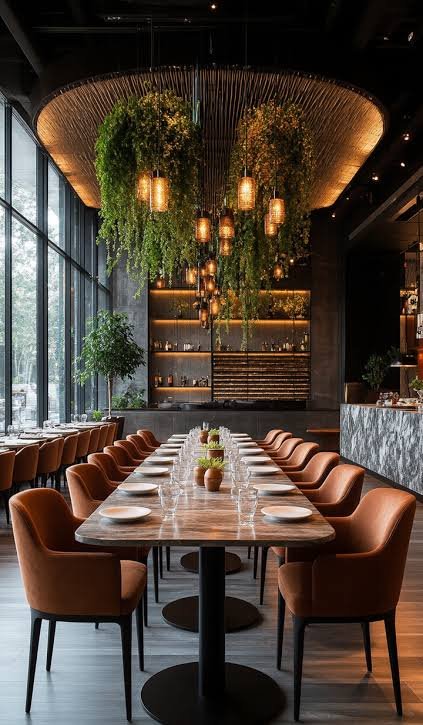
A restaurant is more than a place where people enjoy delicious meals. It is a space where customers gather with friends, celebrate special occasions, spend quality time with family, and create lasting memories. While food quality and customer service are essential to a restaurant’s success, the atmosphere also plays a significant role in shaping the overall dining experience. A thoughtfully planned restaurant design can make customers feel comfortable, encourage them to stay longer, and motivate them to return for future visits.
From attractive lighting and stylish furniture to creative layouts and decorative elements, every design decision contributes to the restaurant’s identity. Whether opening a new dining establishment or renovating an existing space, restaurant owners can use innovative ideas to create an inviting environment that appeals to their target audience.
1. Create a Welcoming First Impression
The customer experience begins before guests sit down at their tables. The restaurant entrance, exterior appearance, signage, and reception area establish the first impression and influence how people perceive the business.
An attractive entrance should reflect the restaurant’s theme and make visitors feel welcome. Large windows, tasteful signage, decorative plants, and well-maintained doors can improve the exterior appearance. Inside, a clean reception area with comfortable seating helps customers feel relaxed while waiting for a table.
Restaurant owners should also consider the customer journey from the entrance to the dining area. Clear pathways, visible host stations, and organized seating arrangements make navigation easier. A welcoming entrance combined with a well-planned interior creates a positive beginning to the dining experience.
2. Choose a Design Theme That Reflects Your Brand
A consistent design theme helps restaurants establish a recognizable identity. The theme should match the menu, target audience, service style, and personality of the business.
For example, a family restaurant might feature warm colors, comfortable seating, and playful decorative details. A fine-dining establishment may benefit from elegant furniture, sophisticated lighting, and understated decorations. A casual café could incorporate natural materials, open shelving, and contemporary artwork to create a relaxed atmosphere.
Industrial interiors with exposed brick, metal fixtures, and wooden tables are suitable for certain modern dining concepts. Meanwhile, rustic designs featuring natural wood, earthy colors, and handmade decorations can create a welcoming countryside feeling.
Consistency is important when combining different design elements. Furniture, wall finishes, table settings, and decorative accessories should complement one another rather than compete for attention. A well-defined theme makes the restaurant feel professionally designed and helps customers understand its character.
3. Use Lighting to Establish the Right Ambience
Lighting can dramatically change the appearance and mood of a restaurant. Bright lighting creates an energetic atmosphere, while softer illumination can make a dining area feel intimate and relaxing.
Restaurants should select lighting according to their operating hours and dining concept. Pendant lights above tables can provide focused illumination while adding decorative appeal. Wall sconces introduce warmth, and carefully positioned accent lights can highlight artwork, architectural features, or attractive displays.
Natural light is another valuable design element. Large windows and glass doors can make interiors feel spacious and welcoming during the daytime. Window treatments can help control glare and maintain comfort when sunlight becomes too strong.
A layered lighting arrangement often produces the best results. Combining general lighting, task lighting, and decorative lighting allows restaurant owners to create different moods throughout the space. Proper illumination should also make menus easy to read and ensure that customers can move around safely.
4. Invest in Comfortable and Functional Furniture
Furniture influences both the appearance of a restaurant and the comfort of its customers. Attractive tables and chairs can strengthen the interior theme, but comfort and practicality should remain priorities.
Choose seating that supports customers comfortably during their meals. Chairs with suitable back support, stable tables, and appropriate spacing can improve the dining experience. Booth seating may work well for families and couples, while flexible tables can accommodate groups of different sizes.
Material selection is equally important. Restaurant furniture experiences frequent use, so it should be durable, easy to clean, and appropriate for the environment. Upholstered seating can create a premium appearance, while wood, metal, and high-quality synthetic materials offer different combinations of style and practicality.
Restaurant owners should also consider maintenance requirements before purchasing furniture. Choosing durable products can reduce replacement costs and help the dining area maintain its appearance over time.
5. Improve Space Planning and Table Layout
An effective restaurant layout balances seating capacity with customer comfort. Placing too many tables in a limited area may increase the number of available seats, but it can also create congestion, reduce privacy, and make service more difficult.
A thoughtful layout provides clear pathways between tables, entrances, restrooms, and service stations. Staff should be able to deliver meals efficiently without disturbing customers. Guests should also have enough room to sit comfortably and move around without difficulty.
Different seating zones can make a restaurant more versatile. Larger tables are useful for families and groups, while smaller tables can accommodate couples or individual diners. Some restaurants may also benefit from counter seating, outdoor dining areas, or quiet corners for customers seeking a more private experience.
Flexible furniture arrangements allow restaurants to adjust their layouts for special occasions, seasonal changes, or different group sizes. Good space planning improves operational efficiency while creating a pleasant environment for guests.
6. Add Natural Elements and Greenery
Bringing natural elements into restaurant interiors can make the environment feel fresh, peaceful, and inviting. Plants, wooden finishes, stone textures, and natural fabrics can introduce warmth and visual interest.
Indoor plants can be positioned near windows, along walls, or in decorative planters that separate seating areas. Hanging plants may work well in suitable spaces, while larger potted plants can create attractive focal points.
Restaurants with limited natural light can use carefully selected artificial greenery or nature-inspired artwork. Wooden furniture, textured walls, and earthy color palettes can also create a connection with the outdoors.
However, decorative plants should be selected and maintained carefully. They must not block walkways, interfere with food preparation, or create hygiene concerns. When incorporated thoughtfully, natural details can help establish a relaxing atmosphere that customers appreciate.
7. Select Colors That Support the Dining Experience
Color influences how people perceive an interior and can help communicate a restaurant’s personality. Warm shades, including terracotta, beige, and soft brown, can create a comfortable and welcoming environment. Neutral colors provide a versatile foundation, while carefully chosen accent colors add character.
Restaurants targeting a modern audience might combine neutral walls with bold artwork, colorful seating, or distinctive decorative accessories. Establishments seeking a sophisticated appearance may prefer muted tones, balanced contrasts, and refined finishes.
The size and lighting of the space should also influence color selection. Lighter shades can help smaller dining areas feel more open, while darker colors may create depth and intimacy when balanced with suitable lighting.
Rather than using too many competing shades, restaurant owners should develop a coordinated palette that complements the brand identity. Repeating selected colors across furniture, signage, menus, and decorative details creates a unified appearance.
8. Choose Restaurant Supply Products That Support the Design
Interior planning involves more than selecting paint colors and furniture. Tableware, serving equipment, storage solutions, kitchen tools, and other operational essentials also contribute to the restaurant’s overall presentation and functionality.
Choosing the right restaurant supply products helps maintain consistency between the interior design and the dining experience. Elegant plates, coordinated cutlery, attractive glassware, and suitable serving trays can complement the restaurant’s visual identity. For example, a contemporary restaurant might choose minimalist tableware, while a rustic dining establishment could prefer textured ceramic plates and natural serving materials.
Operational products are equally important. Organized storage, durable food preparation equipment, and practical service stations help employees work efficiently while keeping customer-facing areas neat and professional.
When evaluating supplies, owners should consider quality, durability, cleaning requirements, safety, and long-term value. Purchasing products that suit the restaurant’s needs can reduce unnecessary expenses and support consistent service.
9. Incorporate Art and Unique Decorative Features
Distinctive decorations give a restaurant personality and create memorable visual experiences. Artwork, murals, decorative mirrors, textured walls, and statement lighting can transform ordinary interiors into engaging spaces.
Local artwork can help restaurants connect with their communities, while themed decorations can reinforce a particular cuisine or cultural influence. A feature wall behind the reception desk or an attractive display near the entrance can become a focal point without overwhelming the rest of the interior.
Decorations should be selected with purpose. Too many accessories can make a space feel cluttered and difficult to maintain. Instead, choose a few meaningful pieces that complement the restaurant’s theme.
Creative details can also encourage customers to photograph their surroundings and share their experiences online. This may increase brand visibility when the environment is distinctive and visually appealing.
10. Enhance Acoustics and Overall Comfort
A restaurant may look beautiful but still provide a disappointing experience if it is too noisy, uncomfortable, or poorly ventilated. Sound management should therefore be included in the design process.
Acoustic panels, upholstered seating, curtains, and suitable ceiling materials can help reduce excessive noise. These features are particularly useful in busy restaurants where conversations, kitchen activity, and background music can overlap.
Temperature control and ventilation also affect customer satisfaction. Heating, cooling, and airflow systems should maintain a comfortable environment without creating unpleasant drafts. Pleasant background music at an appropriate volume can complement the atmosphere without interrupting conversations.
Clean restrooms, accessible pathways, and well-maintained dining areas further contribute to customer comfort. These practical details are just as important as attractive decorative features.
Conclusion
Creative restaurant design combines visual appeal, comfort, functionality, and brand identity to create a memorable dining experience. From welcoming entrances and thoughtful lighting to comfortable furniture, natural elements, and carefully selected supplies, every detail influences how customers feel about a restaurant.
Restaurant owners should focus on creating spaces that meet their customers’ needs while supporting efficient daily operations. A consistent theme, practical layout, suitable materials, and comfortable atmosphere can strengthen the restaurant’s reputation and encourage repeat visits.
Ultimately, successful restaurant design is not simply about making a dining space look attractive. It is about creating an environment where customers feel welcome, enjoy their meals, and want to return. By combining creativity with practical planning, restaurant businesses can develop inviting spaces that support customer satisfaction and long-term growth.