
Introduction
Technology has become an essential part of everyday life, changing how people communicate, work, travel, and manage their health. Among the most influential innovations are wearable devices, which allow individuals to monitor different aspects of their physical activity, sleep patterns, heart rate, and overall wellness. From smartwatches and fitness bands to smart rings and connected health monitors, wearable technology is making personal health information more accessible than ever before.
In the past, people often relied on occasional medical checkups or personal observations to understand their health. Today, wearable devices can collect useful information throughout the day, helping users recognize patterns and make informed lifestyle decisions. Whether someone wants to improve their fitness routine, develop better sleeping habits, or maintain a more balanced lifestyle, wearable technology offers practical tools for everyday wellness.
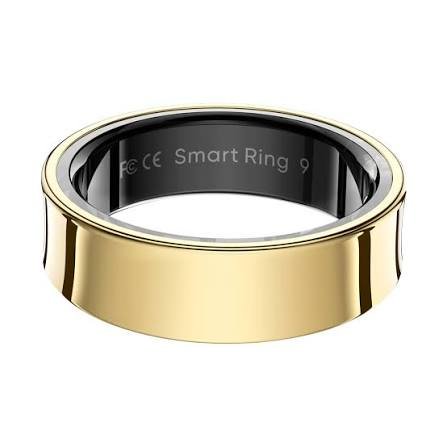
One particularly interesting development is the growing popularity of smart rings. These compact devices provide a discreet alternative to traditional fitness trackers while offering selected health-monitoring features. For consumers looking for a budget smart ring with heart rate tracking, the COLMI R09 smart ring is one product worth exploring. Its appeal reflects a wider trend toward accessible wearable technology designed to fit naturally into everyday routines.
What Is Wearable Technology?
Wearable technology refers to electronic devices designed to be worn on the body. These products use sensors, software, and wireless connectivity to collect information, display measurements, and help users understand certain aspects of their daily activities.
Common examples include smartwatches, fitness bands, smart rings, connected clothing, and medical monitoring devices. Although their designs and capabilities vary, most wearable products aim to make useful information available without requiring users to operate complicated equipment.
The Role of Sensors in Wearable Devices
Sensors are a fundamental part of modern wearables. Depending on the device, they may measure movement, estimate heart rate, monitor skin temperature, or record changes in the body’s position.
Movement sensors can help identify walking, running, and other activities. Optical sensors in compatible devices use light to estimate heart rate by detecting changes in blood flow near the skin’s surface. Sleep-tracking systems combine available sensor readings with algorithms to estimate sleep duration and patterns.
The information collected by these sensors is usually processed through an accompanying application. Users can then review summaries, observe trends, and adjust their routines when appropriate.
Why Wearables Are Becoming More Popular
Convenience is one of the main reasons wearable technology continues to attract attention. People can collect information while exercising, working, resting, or sleeping without carrying a separate monitoring device.
Another important factor is personalization. Instead of following general recommendations alone, users can examine their own activity levels and habits. However, wearable measurements are estimates rather than perfect representations of health, so they should support informed decisions instead of replacing professional medical advice.
How Wearable Technology Is Transforming Health Monitoring
Wearable technology is changing the way people interact with personal health information. Although traditional medical appointments remain important, connected devices can provide additional information about everyday habits between visits.
Continuous Heart Rate Tracking
Heart rate monitoring is one of the most recognized features of wearable technology. Many smartwatches, fitness bands, and smart rings can estimate heart rate throughout the day, depending on their settings and capabilities.
During exercise, heart rate information can help users understand how their bodies respond to different levels of activity. During periods of rest, measurements may help identify personal patterns over time.
For example, someone beginning a walking routine might review their heart rate during similar walks over several weeks. These observations can help them understand their exercise experience and discuss persistent or unusual changes with a healthcare professional when necessary.
A budget smart ring with heart rate tracking may appeal to people who want convenient access to this type of information without purchasing a more expensive smartwatch. Before buying one, consumers should check its supported features, measurement limitations, application compatibility, and battery performance.
Understanding Sleep Patterns
Sleep is an essential part of physical recovery, concentration, and emotional well-being. Wearable devices can help users develop a clearer picture of their sleeping routines by estimating sleep duration, recording movement, and identifying possible sleep stages.
These estimates can reveal habits that might otherwise go unnoticed. For example, someone may discover that their sleep schedule changes considerably between weekdays and weekends.
With this information, users can experiment with consistent bedtimes, quieter evening routines, and reduced screen exposure before sleeping. Over time, these small adjustments may support healthier sleep habits.
Nevertheless, consumer sleep trackers cannot diagnose sleep disorders, and their sleep-stage estimates may differ from clinical measurements. People experiencing persistent sleep difficulties should seek appropriate medical guidance rather than relying exclusively on a wearable device.
Supporting Preventive Health Awareness
Wearables can encourage people to pay attention to changes in their everyday health patterns. Some devices offer notifications about unusually high or low heart rates, while certain models support additional features such as blood oxygen estimates or irregular heart rhythm notifications.
Availability varies significantly between products, and not every smart ring includes these functions. Users should carefully review device specifications before assuming that a particular feature is supported.
Wearable information can sometimes help people prepare more informed questions for a healthcare professional. However, these devices are not substitutes for medical examinations, diagnostic testing, or emergency care.
The Impact of Wearable Technology on Fitness
Fitness tracking has become a major reason people purchase wearable devices. By making physical activity more visible, these products can encourage users to develop consistent habits and evaluate their progress.
Encouraging Daily Movement
Many wearable devices record steps, active minutes, and estimated energy expenditure. Some also provide reminders when users have remained inactive for extended periods.
These features can be particularly useful for people who spend much of the day sitting at a desk or studying. A reminder to stand up, stretch, or take a short walk creates an opportunity to incorporate movement into an otherwise busy schedule.
Instead of attempting dramatic lifestyle changes immediately, users can begin with manageable goals and gradually build more active routines.
Improving Workout Awareness
Wearables can support a variety of activities, including walking, running, cycling, and gym-based exercise. Depending on the model, they may record exercise duration, heart rate, distance, and other workout statistics.
This information helps users compare sessions and identify routines that fit their needs. For instance, a person training for a recreational running event may review activity records to understand how frequently they exercise and how their sessions change over time.
However, exercise measurements should be interpreted carefully. Calorie estimates, workout classifications, and heart rate readings can be inaccurate under certain conditions. Users should prioritize their comfort, gradual progress, and appropriate recovery rather than treating every number as an exact target.
Building Consistency Through Feedback
One of the strongest benefits of fitness wearables is the immediate feedback they provide. Daily summaries, progress charts, and optional reminders can make healthy habits easier to maintain.
Some applications also include achievements and activity streaks. These features may motivate users who enjoy tracking progress, although they can become distracting when people feel pressured to meet every target.
The most useful approach is to treat wearable data as a supportive guide. Rest days, schedule changes, and fluctuations in energy are normal parts of life. A sustainable fitness routine should accommodate these differences.
Smart Rings: A Smaller Approach to Personal Wellness
Smart rings are an increasingly visible category within the wearable technology market. Unlike smartwatches, which occupy the wrist and often include screens, smart rings place sensors inside a compact ring-shaped device.
Their small size makes them attractive to consumers who prefer minimal accessories or do not want another screen competing for their attention.
What Makes Smart Rings Different?
Smart rings generally focus on collecting health and activity information rather than displaying notifications directly on the device. Users typically review their measurements through a connected smartphone application.
Depending on the model, available functions may include heart rate monitoring, sleep tracking, step counting, and activity summaries. Some products offer additional measurements, but specifications vary between manufacturers.
The absence of a large display can make smart rings convenient for people who want passive tracking throughout the day. However, the smaller design also limits the physical space available for sensors, batteries, and other electronic components.
Comfort, sizing, sensor placement, and application quality are therefore important considerations when selecting a smart ring.
Exploring the COLMI R09 Smart Ring
The COLMI R09 smart ring is an example of a product aimed at consumers interested in compact wearable technology. People researching this device may be attracted to the idea of tracking selected health and activity measurements through a ring rather than a traditional wrist-worn tracker.
Anyone considering the colmi r09 smart ring should review the manufacturer’s current specifications and confirm which features are available in their region and with their smartphone. Heart rate monitoring, sleep tracking, activity records, battery life, and application support should be evaluated according to the actual product listing rather than assumed from the general capabilities of smart rings.
Fit is another important consideration. A ring that is too loose may affect sensor contact, while an uncomfortable fit can make regular wear difficult. Consumers should also review the return policy, charging method, software requirements, and privacy information before making a purchase.
For shoppers comparing affordable wearable products, these practical details can be just as important as the initial purchase price.
Is an Affordable Smart Ring Worth Considering?
A budget smart ring with heart rate tracking may be a reasonable option for someone who wants basic personal wellness information without paying for advanced smartwatch features.
Affordable devices can introduce users to activity tracking and help them recognize patterns in their daily routines. They may be particularly appealing to people who prefer a lightweight design and primarily use their phones to review data.
Nevertheless, a lower price may involve compromises in sensor accuracy, application design, build quality, battery performance, or customer support. Consumers should compare independent reviews where available and avoid assuming that a less expensive device performs as well as a premium alternative.
The best purchase is one that offers useful features, comfortable everyday wear, reasonable reliability, and transparent limitations.
Wearable Technology and Personal Wellness
Personal wellness includes more than exercise and physical measurements. It also involves stress management, healthy routines, sufficient rest, and the ability to balance daily responsibilities.
Wearable devices can support these goals by making certain habits easier to observe.
Recognizing Stress and Recovery Patterns
Some wearables estimate stress or recovery using measurements such as heart rate variability, resting heart rate, movement, and sleep information. These indicators can provide useful context, but they do not directly measure every aspect of emotional well-being.
For example, someone might notice that periods of poor sleep coincide with changes in their usual resting measurements. This observation could encourage them to review their schedule, workload, and relaxation habits.
However, stress scores should not be treated as definitive judgments about a person’s mental state. Emotional experiences are complex, and a device cannot fully understand the circumstances behind a measurement.
Encouraging Healthier Daily Routines
Wearables can make everyday wellness goals more practical. A user might establish reminders for movement breaks, monitor bedtime consistency, or schedule regular walks during the week.
These small actions can gradually become part of a routine when they fit naturally into a person’s lifestyle.
The most effective approach is to select a few meaningful habits rather than attempting to optimize every available measurement. Personal wellness should improve everyday life, not create additional pressure.
Supporting Mindful Technology Use
Although wearables depend on technology, they can also help users become more aware of their behavior. Activity summaries may reveal long periods of inactivity, while sleep reports can highlight inconsistent routines.
At the same time, constantly checking notifications and health scores can create unnecessary anxiety for some people. Users should consider turning off nonessential alerts and reviewing their data at convenient times.
A balanced approach allows technology to support personal awareness without becoming the center of attention.
The Role of Artificial Intelligence in Wearable Health Technology
Artificial intelligence is helping wearable systems interpret large amounts of information and present it in more understandable ways. Instead of displaying isolated readings alone, some platforms analyze patterns across activity, sleep, and other available measurements.
Personalized Insights and Recommendations
AI-powered systems may identify recurring patterns and generate suggestions based on recorded behavior. For example, an application might highlight a relationship between inconsistent sleep schedules and changes in daytime activity.
These insights can help users explore practical adjustments. However, recommendations depend on the quality of the collected information and the reliability of the underlying algorithms.
AI-generated guidance should not be confused with a medical diagnosis. Users should be cautious about important health decisions based on automated interpretations, especially when the device has not been designed or validated for clinical use.
Making Health Information Easier to Understand
Wearable applications increasingly present information through graphs, summaries, and simplified explanations. This can help people who have little experience interpreting health-related measurements.
Clear explanations are especially important for new users, who may otherwise misunderstand normal fluctuations as evidence of a problem.
Manufacturers can improve this experience by explaining how measurements are calculated, describing known limitations, and making it easy to identify which features are estimates rather than direct measurements.
Privacy and Security Challenges
As wearable technology collects increasingly detailed personal information, privacy has become an important consideration. Heart rate records, sleep patterns, activity histories, and location information can reveal aspects of a person’s everyday life.
Before purchasing a wearable device, consumers should examine the manufacturer’s privacy policy and understand how information is collected, stored, processed, and shared.
Protecting Personal Health Data
Users should review application permissions and avoid granting access that is unnecessary for the device’s intended functions. Strong account passwords, available security features, and regular software updates can also help protect personal information.
It is worth checking whether a manufacturer shares information with third parties, offers data deletion options, or allows users to export their records.
Budget-conscious shoppers should not overlook these issues when comparing products. An affordable device is more useful when its accompanying software provides clear privacy information and reasonable security protections.
Understanding Data Accuracy
Wearable measurements can be affected by movement, sensor placement, skin contact, device design, and individual differences. A ring may produce inconsistent readings if it fits poorly or moves excessively during activity.
Users should therefore interpret measurements as estimates and focus on longer-term patterns when appropriate. If readings appear unusual or symptoms develop, a consumer wearable should not be the only basis for deciding whether medical attention is necessary.
The Future of Wearable Technology
The future of wearable technology will likely involve smaller sensors, improved connectivity, more personalized software, and closer integration with healthcare services.
Smart rings may continue to attract people who want discreet tracking, while smartwatches and specialized monitors will remain useful for individuals who need additional features.
More Accessible Personal Monitoring
As the market develops, manufacturers may introduce more affordable devices with improved usability and expanded tracking capabilities. This could make basic wellness information available to a broader range of consumers.
However, affordability should be accompanied by reliable performance, transparent product descriptions, and appropriate data protection. A low purchase price alone does not establish the overall value of a health-related device.
Greater Integration With Healthcare
Wearable records may increasingly support conversations between patients and healthcare professionals. For example, activity histories or heart rate trends could provide additional context when reviewing lifestyle habits.
Any clinical use requires appropriate attention to accuracy, consent, privacy, and medical interpretation. Consumer devices will continue to differ from equipment specifically designed and validated for healthcare settings.
A More Personalized Wellness Experience
Future wearable platforms may combine activity, sleep, and other measurements to provide more relevant summaries. Better interfaces could also help users understand which changes are meaningful and which are ordinary variations.
The goal should not be to collect the greatest possible amount of information. Instead, successful wearable technology should turn relevant information into practical, understandable support for healthier living.
How to Choose the Right Wearable Device
Choosing a wearable device starts with identifying personal priorities. Someone interested primarily in daily activity may need only a simple fitness band, while a person who prefers discreet tracking might consider a smart ring.
Before buying, consider these factors:
- Features: Confirm that the device supports the measurements you actually need.
- Comfort: Check sizing, weight, materials, and suitability for everyday use.
- Accuracy: Review available independent testing and understand measurement limitations.
- Battery life: Compare expected operating time and charging requirements.
- Compatibility: Make sure the companion application supports your smartphone.
- Privacy: Examine data-sharing practices, account security, and deletion options.
- Total cost: Consider any subscription charges, replacement accessories, or additional expenses.
For consumers considering the COLMI R09 smart ring, these criteria offer a practical starting point for evaluating whether its documented features match their expectations.
Conclusion
Wearable technology is transforming how people approach health, fitness, and personal wellness by making everyday measurements easier to collect and understand. Smartwatches, fitness bands, and smart rings can encourage movement, reveal sleep patterns, support exercise planning, and help users develop greater awareness of their routines.
Smart rings are particularly interesting because they offer a compact alternative to larger devices. A budget smart ring with heart rate tracking may provide a convenient introduction to personal activity monitoring, while the COLMI R09 smart ring represents one option consumers can research when comparing products in this category.
Nevertheless, wearable devices work best when their measurements are interpreted carefully and used alongside sensible lifestyle habits. They cannot replace professional medical advice, guarantee improved health, or eliminate the uncertainty associated with sensor readings.
Ultimately, the value of wearable technology lies in how effectively it supports everyday decisions. By choosing an appropriate device, protecting personal information, and focusing on realistic wellness goals, users can make technology a helpful part of a healthier and more balanced lifestyle.