
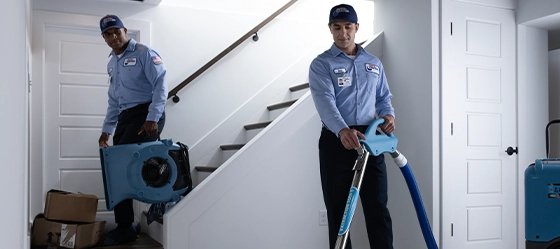
Flooding is one of the most destructive disasters a property owner can face. Whether caused by heavy Midwestern rainfall, rapid snowmelt from the Missouri or Platte Rivers, severe storms, or sudden plumbing failures, water damage requires immediate and professional attention. For homeowners and business owners in Nebraska, understanding the detailed process of flood restoration in Omaha is essential to preserving structural integrity, preventing dangerous mold growth, and restoring safety to the property.
Understanding the Common Causes of Floods in Omaha
Omaha experiences a diverse range of seasonal weather patterns that increase the risk of property flooding throughout the year. Recognizing the primary causes helps property owners prepare and act swiftly when disaster strikes.
Severe Weather and Flash Flooding
Spring and summer severe thunderstorms often bring torrential rain that can quickly overwhelm municipal drainage systems and local storm sewers. Low-lying neighborhoods and properties near natural waterways are especially vulnerable to flash floods.
River and Stream Overflows
Proximity to major rivers means local water tables can rise dramatically during spring thaws. Rapid snowmelt combined with heavy spring rains can lead to substantial riverbank overflow, saturating surrounding soil and driving water into basements and foundations.
Sump Pump Failures and Plumbing Issues
Internal flooding is equally common. During intense storms, power outages can cause sump pumps to stop working right when they are needed most. Additionally, burst pipes, backpitched drains, and sewer backups can discharge large amounts of water into living spaces within minutes.
The Critical Importance of Immediate Flood Restoration
When water invades a home or commercial building, time is the most critical factor. Water continues to migrate into porous materials like drywall, carpet padding, framing, and insulation long after the initial storm or breach has passed.
Preventing Structural Degradation
Water weakens structural components over time. Wood swells, warps, and rots, while drywall softens and loses its structural capacity. Quick flood restoration in Omaha mitigates long-term structural risks and protects the overall foundational strength of the property.
Stopping Mold and Bacteria Growth
Mold spores begin to germinate in warm, moist environments within 24 to 48 hours of water exposure. In addition to mold, floodwater carrying contaminants or sewage poses severe health risks. Professional mitigation eliminates standing moisture before harmful microorganisms proliferate.
Minimizing Restoration Costs
Delaying cleanup allows water to penetrate deeper into building materials, turning a straightforward water removal job into an extensive structural tear-out and rebuilding project. Rapid response keeps restoration costs manageable and prevents unnecessary property loss.
Step-by-Step Guide to the Flood Restoration Process
Professional flood restoration follows a precise, structured methodology to ensure that water is safely extracted, materials are dried thoroughly, and the property is fully sanitized.
Initial Assessment and Inspection
Upon arrival, certified flood restoration specialists conduct a comprehensive inspection of the affected areas. Using advanced thermal imaging cameras and moisture meters, technicians identify the full extent of water migration, including hidden pockets of moisture behind walls and beneath flooring. They also categorize the water source (clean water, greywater, or blackwater) to determine the appropriate safety protocols.
Emergency Water Extraction
The next priority is removing standing water. High-powered submersible pumps and industrial truck-mounted vacuum units extract hundreds or thousands of gallons of water quickly. Rapid extraction prevents water from soaking deeper into subfloors and structural framing.
Structural Drying and Dehumidification
Even after standing water is gone, building materials remain saturated. Industrial air movers and commercial refrigerant dehumidifiers are deployed throughout the property. This equipment circulates air rapidly, drawing moisture out of walls, ceilings, and floors while controlling ambient humidity levels to prevent secondary water damage.
Cleaning, Sanitizing, and Deodorizing
Floodwaters often carry dirt, debris, bacteria, and pathogens. All surfaces that came into contact with floodwater must be thoroughly cleaned and disinfected using EPA-registered antimicrobial treatments. Special deodorization techniques, such as air scrubbers with HEPA filtration and thermal fogging, eradicate persistent damp odors.
Reconstruction and Restoration
The final stage involves restoring the property to its pre-loss condition. Depending on the severity of the damage, this step ranges from minor repairs—such as replacing drywall panels and reinstalling carpet—to major reconstruction work like rebuilding structural walls, re-flooring, and rewiring electrical systems.
Essential Safety Precautions After a Flood
Before entering a flooded building, safety must always come first. Hazards are often hidden beneath murky floodwaters or within damaged walls.
- Shut Off Utilities: Turn off electricity at the main breaker box if it is safe to reach without walking through standing water. If the power box is submerged or damp, contact your utility provider immediately.
- Wear Protective Gear: Always wear rubber boots, heavy-duty gloves, N95 respirators, and protective eyewear when walking through flood-affected areas to guard against contaminated water and airborne toxins.
- Watch for Structural Hazards: Inspect ceilings and floors for signs of sagging, bowing, or instability before entering rooms.
- Avoid Standing Water Near Electronics: Never operate electrical appliances or touch outlets while standing in water or on damp concrete floors.
Key Steps for Navigating Insurance Claims
Filing an insurance claim after a flood can feel overwhelming, but taking organized, proactive steps helps streamline the process.
Document Everything Carefully
Before any cleanup or structural removal begins, take detailed photos and video footage of all damaged areas, standing water levels, and ruined personal property. Keep an itemized inventory of affected belongings, complete with descriptions, estimated values, and receipts if available.
Contact Your Insurance Provider Promptly
Notify your insurance carrier as soon as possible. Clarify what coverage applies, as standard homeowners insurance policies typically distinguish between sudden interior water damage (like a burst pipe) and rising surface water (which requires dedicated flood insurance).
Work with Certified Professionals
Work directly with experienced restoration specialists who provide detailed scope-of-work documentation, moisture readings, and itemized estimates. Professional documentation ensures your insurance adjuster receives accurate, complete information to process your claim fairly and efficiently.
How Property Owners Can Prevent Future Flood Damage
While severe storms cannot be prevented, property owners can take strategic proactive steps to minimize the risk of future water intrusion.
- Maintain Sump Pumps: Test sump pumps regularly, especially before the spring rain season. Installing a battery-powered backup pump ensures continuous operation during power outages.
- Improve Exterior Drainage: Ensure gutters and downspouts are clear of debris and that downspout extensions direct water at least six feet away from the foundation. Grade the soil around your property so water naturally slopes away from the home.
- Install Backwater Valves: Installing backwater valves on main sewer lines prevents municipal sewer backups from flowing into basement drains during extreme rainfall events.
- Seal Foundation Cracks: Inspect foundation walls regularly and seal any visible cracks or gaps with high-grade masonry sealant or epoxy injection systems.
Conclusion
Facing water damage from severe weather, river thaws, or plumbing emergencies can be daunting, but acting quickly makes all the difference. Understanding the complete process of flood restoration in Omaha empowers property owners to make informed decisions, protect their health, and restore their homes or businesses safely. By relying on certified restoration expertise, maintaining essential safety precautions, and implementing preventative measures, you can safeguard your property against future water hazards and ensure long-term peace of mind.