
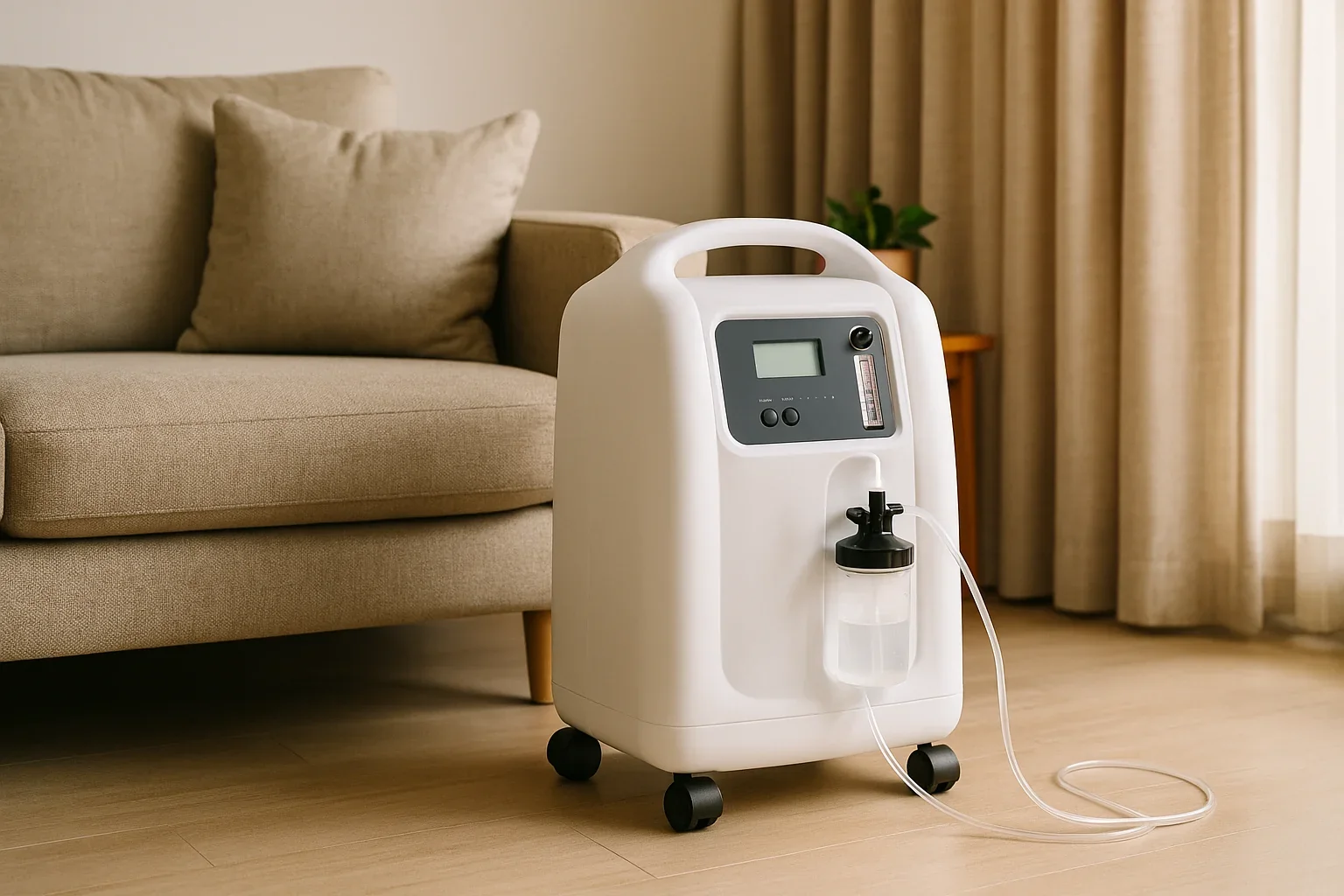
For people who require supplemental oxygen, having a dependable solution at home can make everyday life more manageable and comfortable. A home oxygen concentrator is designed to provide oxygen from the surrounding air and deliver it to the user through a nasal cannula or another prescribed interface. Unlike traditional oxygen cylinders, concentrators do not need to be refilled in the same way, making them a practical option for many individuals who require long-term oxygen therapy.
The concept behind a home oxygen concentrator is straightforward, but its potential benefits can be significant. From convenience and independence to consistent oxygen delivery, these devices can support a person’s daily routine when used correctly and under appropriate medical guidance. The term 家用氧氣機 is commonly used to refer to a home oxygen concentrator, particularly in Chinese-speaking markets.
What Is a Home Oxygen Concentrator?
A home oxygen concentrator is a medical device that takes in room air, removes a large portion of the nitrogen and other gases, and concentrates the oxygen. The concentrated oxygen is then delivered to the user at a prescribed flow rate.
Unlike compressed oxygen tanks, the concentrator generally produces oxygen continuously while it has access to electrical power and is operating properly. This can reduce the need to arrange frequent cylinder replacements or refills.
Different models are designed for different requirements. Some are intended primarily for use inside the home, while portable models are designed to make oxygen therapy easier during travel or daily activities. The appropriate device depends on an individual’s medical needs, prescribed oxygen flow, lifestyle, and recommendations from a healthcare professional.
Convenient Oxygen Support at Home
One of the biggest benefits of a home oxygen concentrator is convenience. Oxygen cylinders require storage, transportation, and replacement when their supply becomes depleted. A concentrator instead draws air from the environment and continuously concentrates oxygen.
This can simplify oxygen therapy for people who spend much of their time at home. Rather than arranging regular deliveries of oxygen cylinders, users can operate the concentrator according to their prescribed treatment plan.
The device can become part of a normal household routine. With proper placement, maintenance, and electrical access, it can provide a reliable source of supplemental oxygen without requiring large numbers of storage cylinders.
Greater Independence and Mobility
Depending on the person’s medical condition and the type of equipment prescribed, a concentrator can support greater independence. Portable oxygen concentrators are particularly useful for individuals who need supplemental oxygen outside the home.
Being able to take oxygen equipment to different rooms, attend appointments, visit family, or participate in appropriate daily activities can make oxygen therapy feel less restrictive. However, users should always follow their prescribed oxygen settings and healthcare provider’s instructions when changing activities or using portable equipment.
For some people, the convenience of 家用氧氣機 technology can help integrate oxygen therapy into everyday life instead of making treatment feel like a separate part of the day.
Reduced Dependence on Oxygen Cylinder Refills
Traditional oxygen cylinders contain a limited supply of compressed oxygen. Once the oxygen is used, the cylinder must be replaced or refilled. This can create logistical challenges, particularly for people who require oxygen for extended periods.
A concentrator works differently. It continuously processes surrounding air while operating, so it does not depend on a finite oxygen supply inside a tank. This can make it an attractive long-term option for eligible users.
Nevertheless, concentrators still depend on electricity and proper maintenance. Households should understand how their particular device operates and consider an appropriate backup plan in case of power interruptions.
Supporting Consistent Oxygen Therapy
Following a prescribed oxygen therapy schedule is important for individuals who have been instructed by a healthcare professional to use supplemental oxygen. A suitable concentrator can make following that schedule easier by providing oxygen through a familiar home setup.
Modern devices may include controls and monitoring features designed to make operation easier. Depending on the model, users may find indicators for power, oxygen concentration, alarms, or other operating conditions.
It is important to remember that a concentrator should not be adjusted simply because a person feels better or worse. Oxygen flow rates should be determined by a qualified healthcare professional. Using too much or too little oxygen can be inappropriate for certain medical conditions.
Potentially Lower Long-Term Practical Costs
The overall cost of oxygen therapy depends on the device, electricity consumption, maintenance requirements, accessories, medical needs, and local healthcare arrangements. However, a concentrator can reduce some recurring logistical expenses associated with cylinder delivery and replacement.
For someone requiring long-term oxygen therapy at home, purchasing or renting an appropriate concentrator may offer a practical alternative to depending exclusively on oxygen cylinders.
Before choosing a device, consumers should consider more than the initial purchase price. Reliability, warranty coverage, replacement filters, servicing, noise level, energy consumption, oxygen output, and availability of technical support can all affect the long-term value of the equipment.
Improving Everyday Comfort
A well-chosen oxygen concentrator can also contribute to a more comfortable home routine. Modern machines are available in different sizes and designs, and some are engineered to operate relatively quietly.
Comfort also depends on the accessories used with the device. Nasal cannulas, tubing, and other components should fit appropriately and be replaced or cleaned according to the manufacturer’s and healthcare provider’s recommendations.
Keeping equipment clean and well maintained is essential. Filters and other components may require regular inspection or replacement. Proper maintenance helps the equipment operate as intended and can contribute to a safer oxygen therapy environment.
Important Safety Considerations
Although a home oxygen concentrator can provide important benefits, oxygen therapy requires careful attention to safety. Oxygen supports combustion, meaning materials can burn more easily in an oxygen-enriched environment.
Smoking, candles, open flames, and other ignition sources should be kept away from oxygen equipment. Users should follow the safety instructions supplied with their device and receive appropriate guidance from their healthcare team.
The concentrator should also be positioned according to the manufacturer’s recommendations, with sufficient ventilation around the machine. Blocking air vents or placing the device in an unsuitable location may interfere with operation.
A household should also know what to do if the device stops working or the electricity fails. A medically appropriate backup oxygen plan should be discussed with a healthcare provider.
Choosing the Right Home Oxygen Concentrator
Selecting a concentrator should begin with medical requirements rather than appearance or price. Important considerations can include prescribed oxygen flow, continuous-flow or pulse-dose requirements, portability, noise, weight, power consumption, alarm functions, and maintenance needs.
The healthcare provider can help determine what type of oxygen delivery is appropriate. Consumers should also purchase or rent equipment from reputable suppliers that can provide product instructions, servicing, and support.
It is especially important to confirm that the device can provide the prescribed oxygen flow and is suitable for the intended pattern of use.
A Practical Part of Long-Term Oxygen Care
For eligible individuals, a home oxygen concentrator can make oxygen therapy more convenient and easier to incorporate into daily life. It can reduce dependence on oxygen cylinder refills, support mobility when an appropriate portable model is used, and provide a continuous source of supplemental oxygen while operating.
The benefits of 家用氧氣機 are greatest when the equipment is correctly selected, professionally prescribed, properly maintained, and used according to medical instructions. It is not a replacement for medical care, but rather a tool that can support an established oxygen therapy plan.
Ultimately, the right oxygen solution depends on the individual’s health needs, lifestyle, home environment, and professional medical advice. With appropriate selection and responsible use, a home oxygen concentrator can become a valuable part of a safe and practical oxygen therapy routine.